Task Ease
Understand and address the challenges individuals face in managing and organizing household chores by implementing a user-centric approach and participatory design methods.
Objective
The project resulted in a prototype for a mobile app that helps users get motivated and plan their household chores. The prototype received positive feedback from users.
Result
UX/UI designer- Including research, data analysis, ideation, prototyping, and testing.
My role
Scope
August - November 2023
Design process
Research

Understanding and defining the problem through literature reviews, user research, and competitive analysis.
Analysis

Conducting thematic analysis of user data to inform empathy maps and design decisions.
Design

Exploring different design solutions and creating prototypes in an iterative process with user involvement.
Review

Reviewing design solutions to align with user needs and gather user feedback to optimize the design.
01/Understanding the problem
Does the problem exist?
The initiative for this project originated from a simple observation: many individuals struggle with managing their household chores. This observation was reinforced through a subsequent literature review, which underscored the pervasive nature of these challenges. For instance, the inability to plan and execute chores has been linked to negative consequences such as increased stress and anxiety. Additionally, household chores often become a significant source of conflict in many households, further exacerbating individual distress. These findings underscore the need for a practical solution to improve chore management and highlight the importance of the project initiative.
Many struggle with managing household chores, resulting in increased anxiety, stress and conflicts.
Research and Inquiry
To uncover the underlying reasons as to why individuals struggle with household chores and to evaluate the effectiveness of existing market solutions, further research was conducted.
The research comprised two main segments: user research and competitive analysis. During the user research phase, qualitative data were gathered through surveys and a future workshop. The primary objective of this phase was to identify the challenges and frustrations users face, as well as their aspirations related to the problem. Simultaneously, the competitive analysis aimed to gain insights into the current market landscape and available solutions, with the goal of identifying any existing gaps or opportunities.
Research Objectives
Understand why individuals struggle with daily chores.
Identify frustrations related to daily chores.
Understand users aspirations and wishes for the future.
Analyze the competitive landscape and existing solutions.
The survey aimed to gather a quick and broad understanding of users' pain points, feelings, and behaviors regarding chores. Therefore, a predominantly qualitative survey format with open-ended questions was employed. The survey data also served as a foundational framework for the future workshop, facilitating targeted validation and development of identified topics.
The survey was conducted using Google Forms over a span of two weeks, employing a non-probabilistic proximity sampling method. It garnered responses from 20 users. Prior to the future workshop, the survey data underwent initial processing and analysis through content analysis, followed by thematic analysis.
Survey
The future workshop aimed to actively engage the users and foster collaborative discussions to gain a deeper understand the underlying problem. Additionally, this method aimed to explore the wishes and aspirations of the end users.
The workshop was carried out in a remote session including 5 potential end users, who were selected using snowball sampling. The session spanned over 2 hours and was carried out using Miro as a collaborative platform and discord for communication.
Future workshop
Data analysis
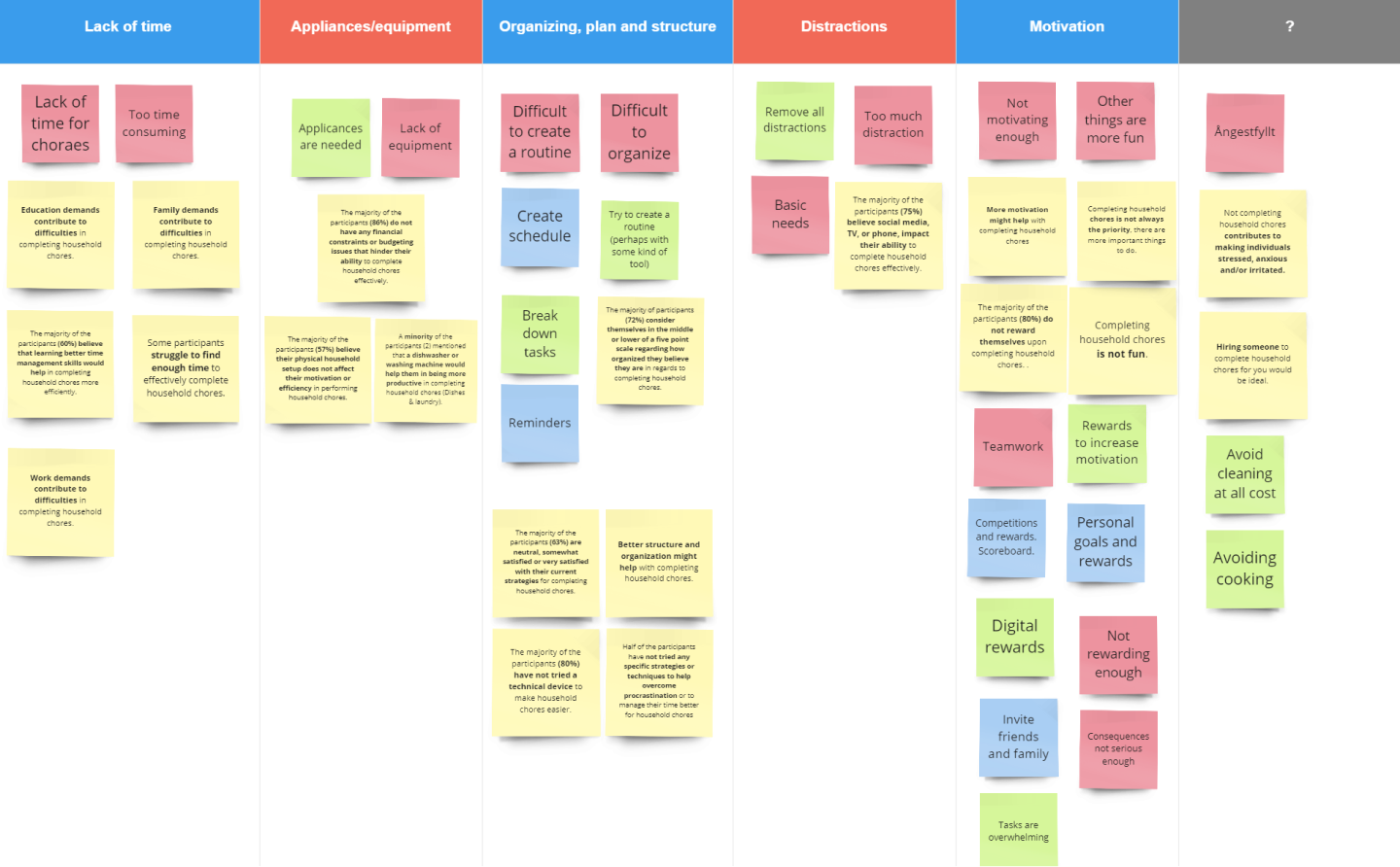
The data from the survey and future workshop underwent a thematic analysis, which was conducted iteratively. Initially, all data were individually coded, followed by a collaborative review and re-evaluation of the resulting codes. The finalized codes were then grouped into distinct themes. This thematization process was carried out collaboratively using Miro.
Research findings
Time constraints

Users perceive chores as time-consuming and feel overloaded due to other commitments.
Lack motivation

Users find chores boring and lack motivation to do them. Some have tried apps and other solutions for planning but still struggle with motivation.
Difficult to plan

Users struggle with planning and organizing chores. Many times they find chores to be overwhelming and don’t know when or where to start.
Distractions

Users express that they often find other things more fun and are hence easily distracted from doing chores.
Deepening User Empathy
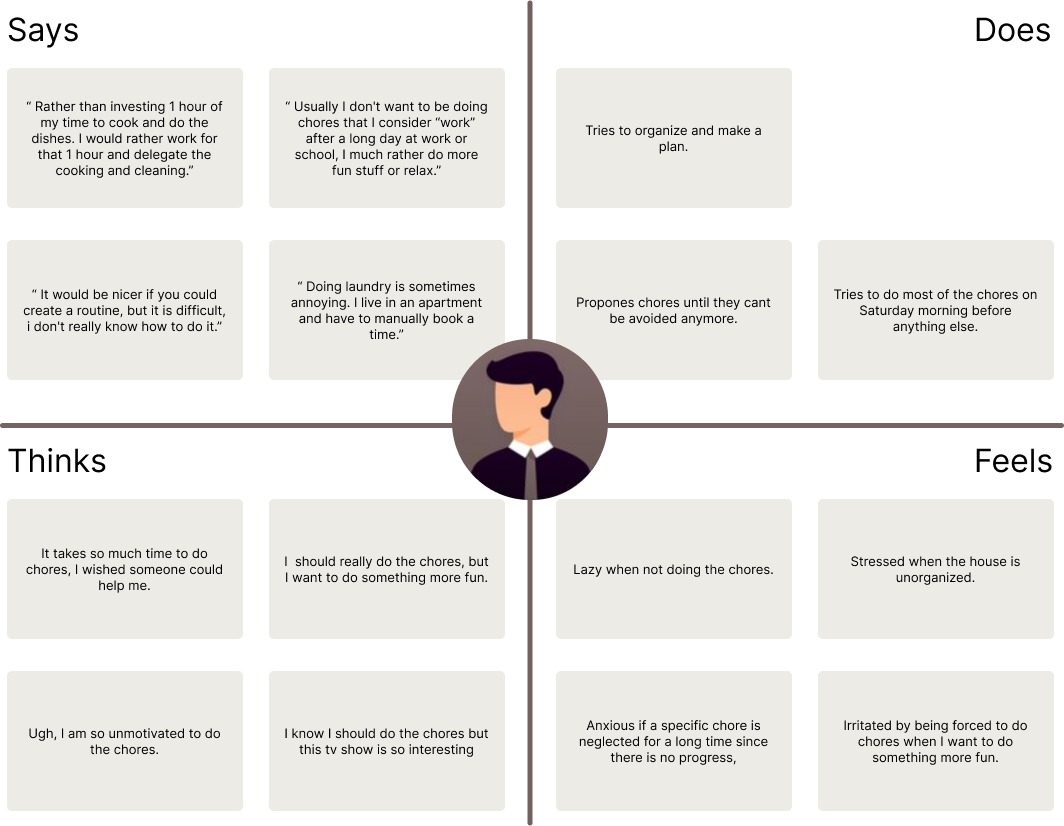
From the user research findings, an empathy map was crafted to cultivate a deeper empathy toward user needs and create a cohesive framework for future design decisions.
Competitive analysis
The objective of the competitive analysis was to assess the competitive landscape and determine whether any existing solutions could meet all user needs. Various competitive solutions were compared and evaluated against the research findings during this process.

Company info


Nipto
Mobile application for families with a digital reward system.
Competitive Strength
Ability for families to to plan and organize chores.
Tasks can be split between household members for time efficiency.
Digital rewards to increase motivation.
Competitive weakness
Lack flexibility for single households.
Lack of rewards that are motivating for users.
Digital rewards are not interesting to many (FW, Survey).
FamilyWall
Mobile application that aims to help families schedule daily chores.
Ability for families to to plan and organize chores.
Tasks can be split between household members for time efficiency.
Lack of motivation or reward system.
Limited flexibility for single households.
Skylight
Smart mirror application for organizing and planning chores.
Ability to to plan and organize chores.
Tasks can be split between household members for time efficiency.
Lack of motivation or rewards.
Need to purchase hardware.
Overall research conclusion
Common pain points include lack of time, motivation, planning ability, and distractions. While the current market offers some solutions, none provide the right balance of motivation and flexibility for diverse households.
02/Finding a solution
Ideation & sketching
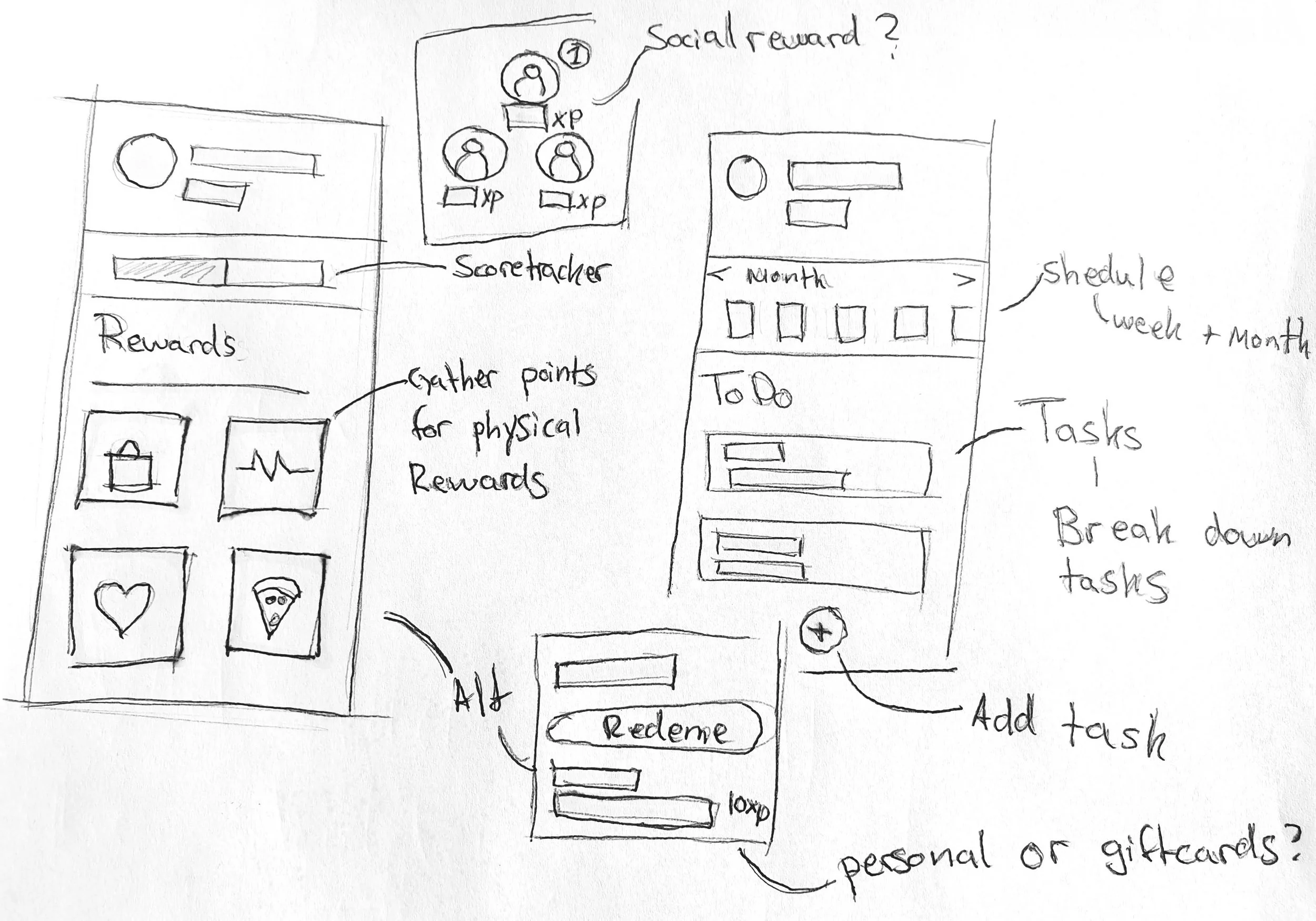
To address the problems identified during the user research, brainstorming was used to explore various ideas and solutions, including smart mirrors, clocks, and mobile apps. Ultimately, an app-based solution was chosen for its flexibility and widespread accessibility.
Thereafter, the ideation process continued with sketches focusing on mobile solutions. The proposed final solution included a planning and scheduling system designed to help users manage daily chores efficiently. Additionally, It incorporated features for task sharing and breakdown, aimed at enhancing efficiency and alleviating task overload. Additionally, a reward system offering both social motivation and tangible rewards was integrated into the design to boost motivation and minimize distractions. This implementation aimed to make chore management not only more organized but also more enjoyable and engaging.
Reviewing ideas with users
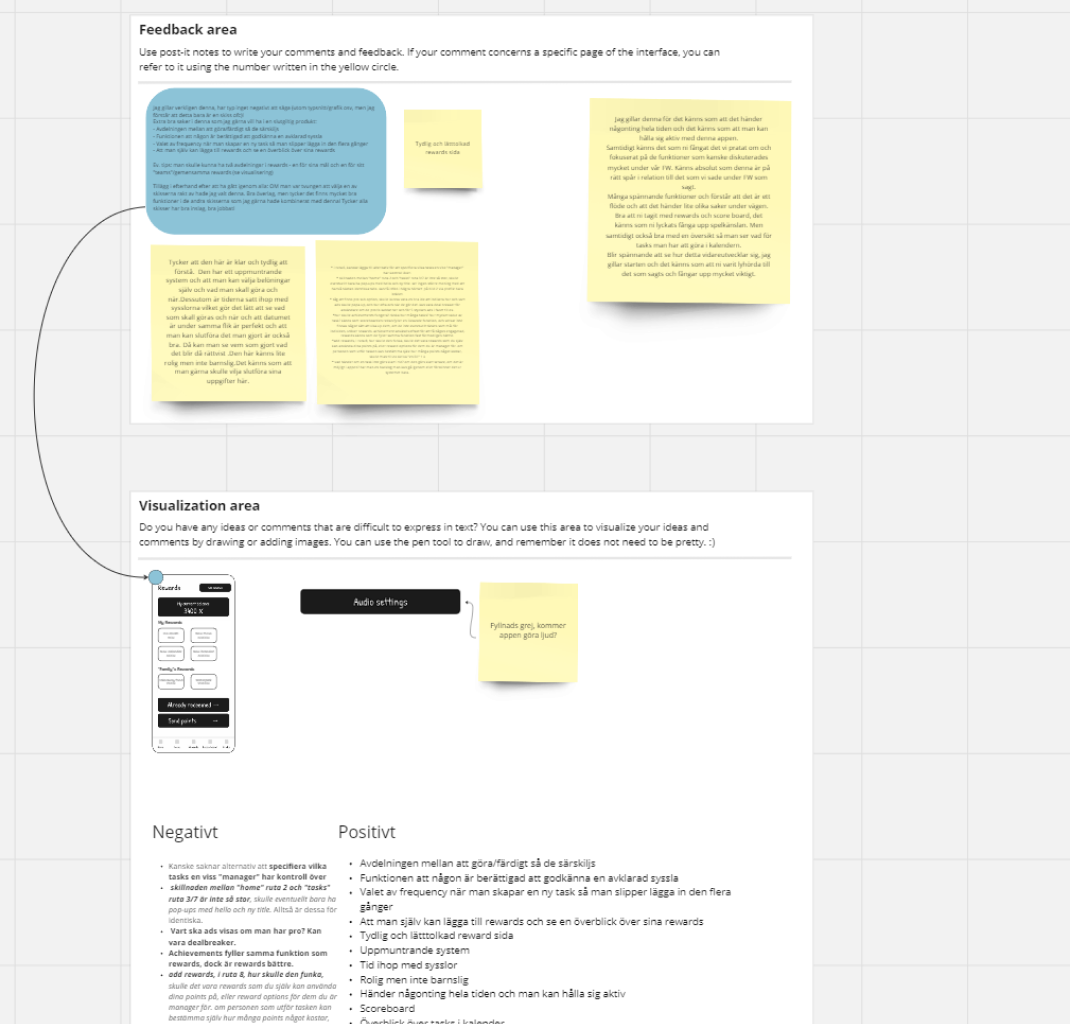
Following the ideation process, the sketches were transformed into basic digital representations using Figma. These were then were then presented to five different potential users for further evaluation and review. The users were encouraged to take notes and share their comments, providing invaluable insights into the flaws and strengths of the current solution. This iterative review process played a crucial role in refining and optimizing the prototype to align better with the users needs.
Key Findings
Users liked the schedule and planning features but wished for more task options such as postponing and adding subtasks.
They loved the rewards since they had both social and physical aspects, but they expressed a desire to create shared rewards.
Improving the design
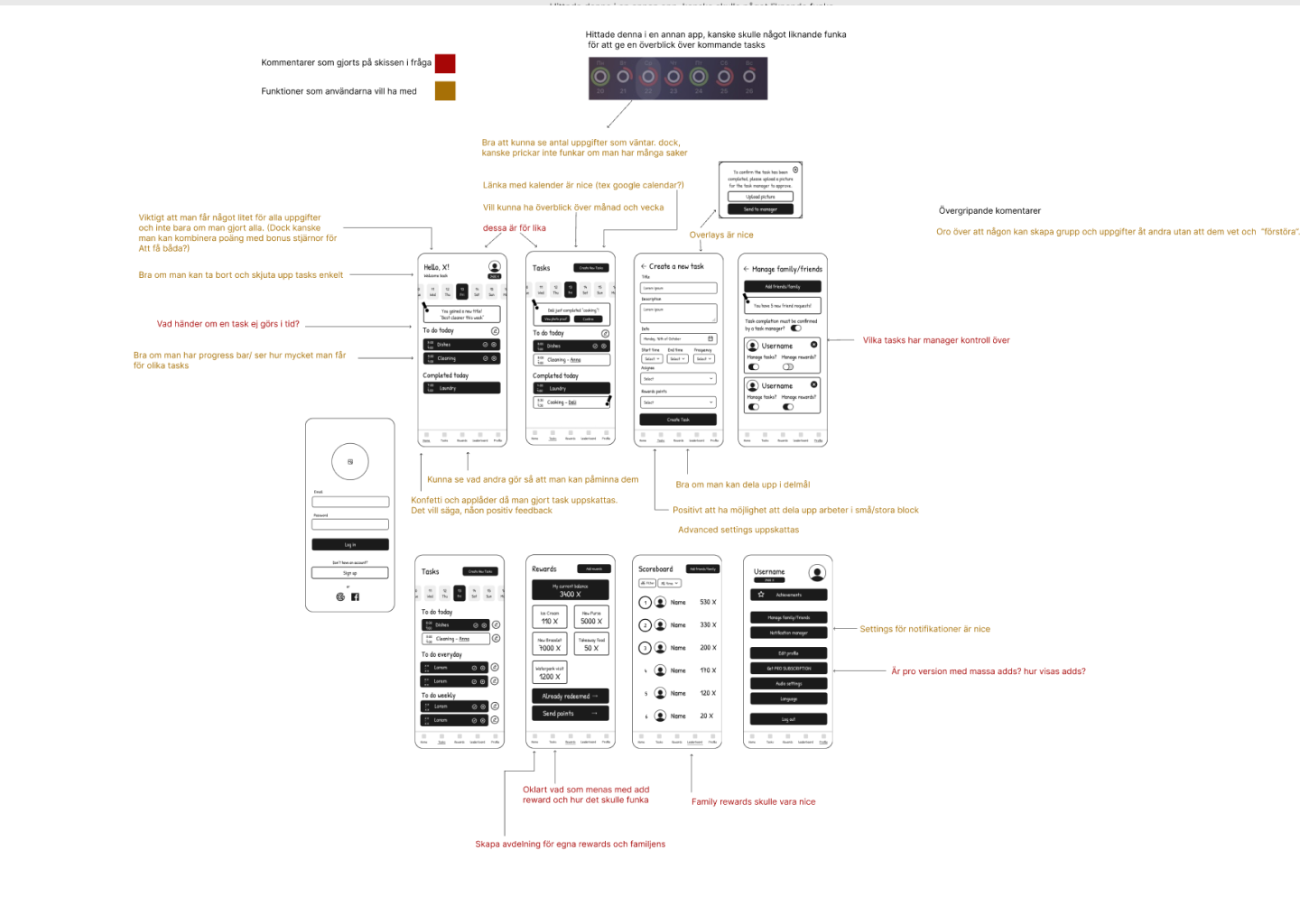
The incorporation of user feedback served as a pivotal step in refining the design. Careful attention was given to both positive and negative comments provided by users during the prototype review. By mapping these comments to specific UI frames, the team gained a better understanding of the issues and their importance. The design was then thoughtfully adjusted, focusing on finding solutions to address the identified negatives while preserving the elements that resonated positively with users.
Key modifications
More options were added for the tasks, such as repeat, reassign and the ability to add subtasks.
The rewards were edited to include clear sections for both personal and shared rewards.
Wireframes
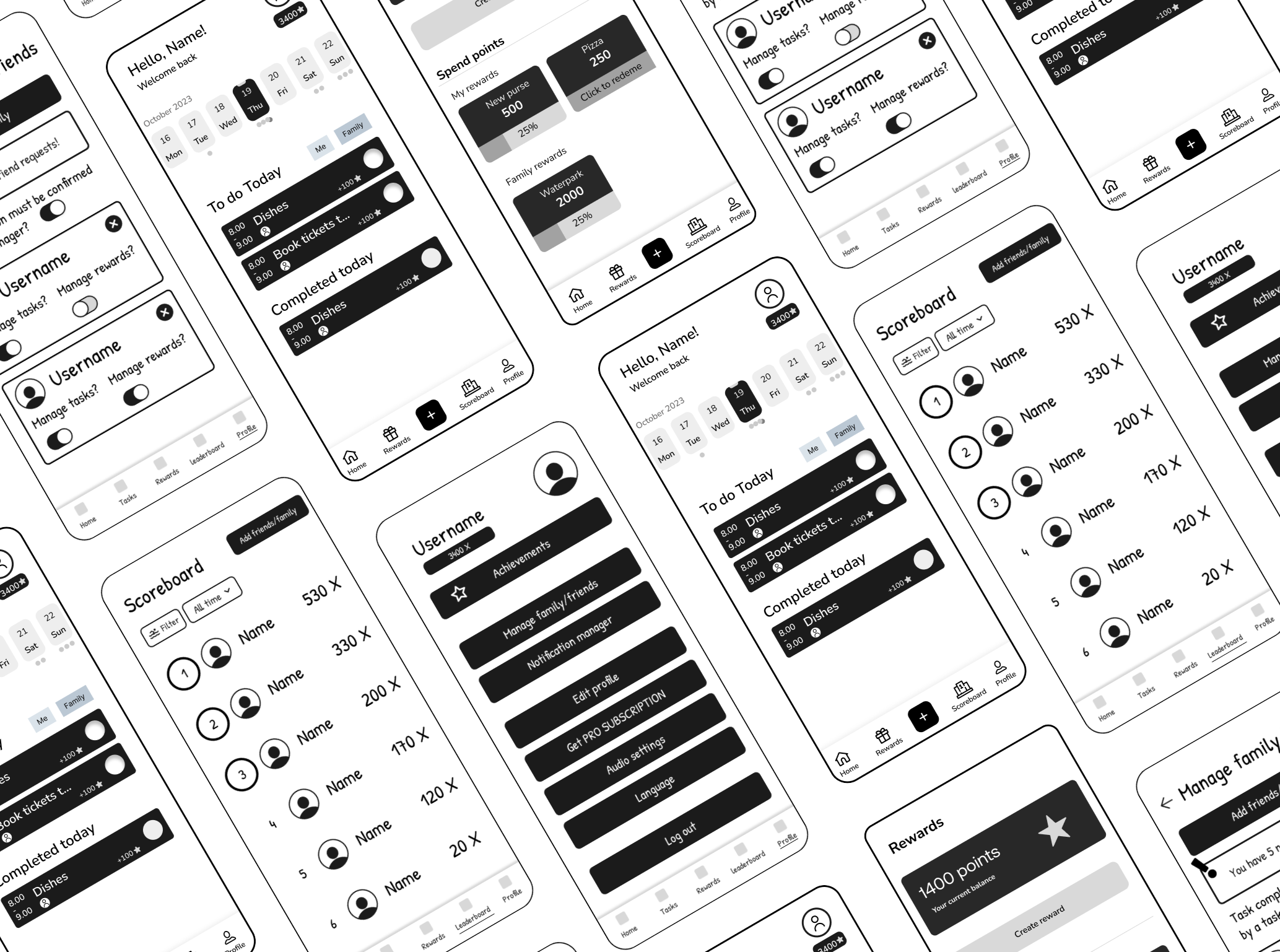
Based on the new insights gained from the user review, the design was updated and revitalized as digital wireframes.
When designing the wireframes focus was placed on understanding the information architecture and establishing user flows.
Graphic design & style
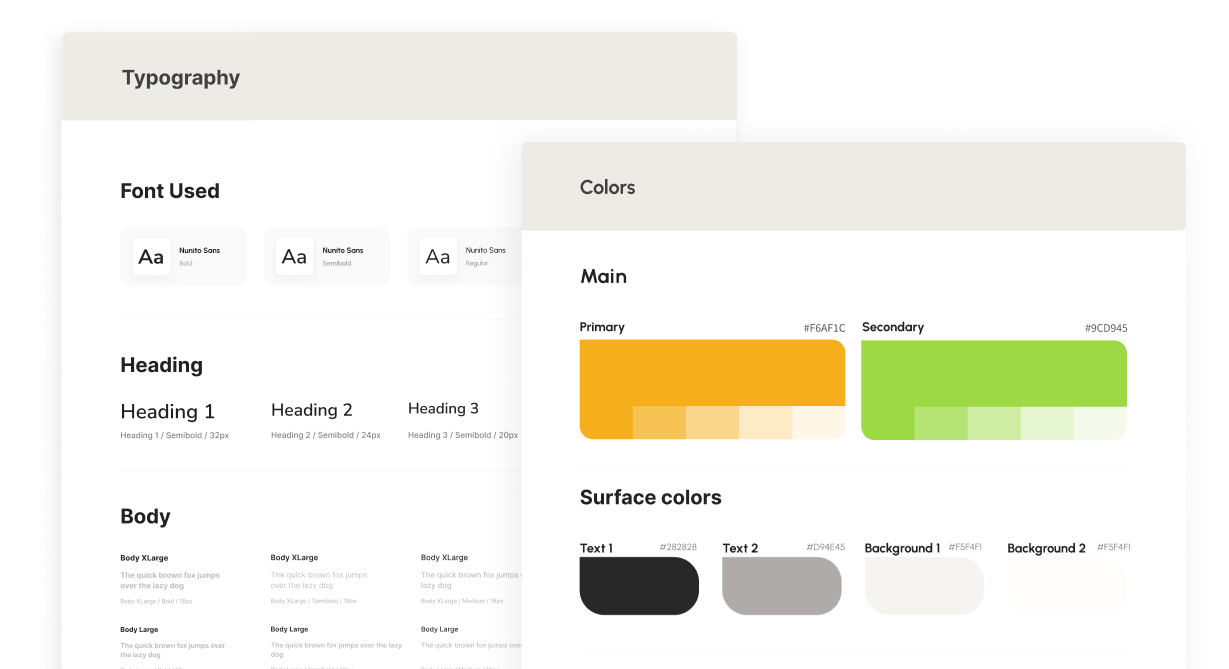
In order to ensure visual consistency and effective visual communication, a graphic profile was created. The color palette was selected to evoke a happy and friendly feeling to make the users feel more motivated. Additionally, the border radius was increased to give a soft and friendly impression. This design decision was made to align with the overall aesthetic and contribute to the welcoming feel of the interface.
Nunito Sans was chosen as the primary font due to its soft impression and high readability and suitability for mobile interfaces. The font sizes were carefully selected to prioritize readability and facilitate a clear visual hierarchy, ensuring users can easily navigate and understand the content.
finalizing the design
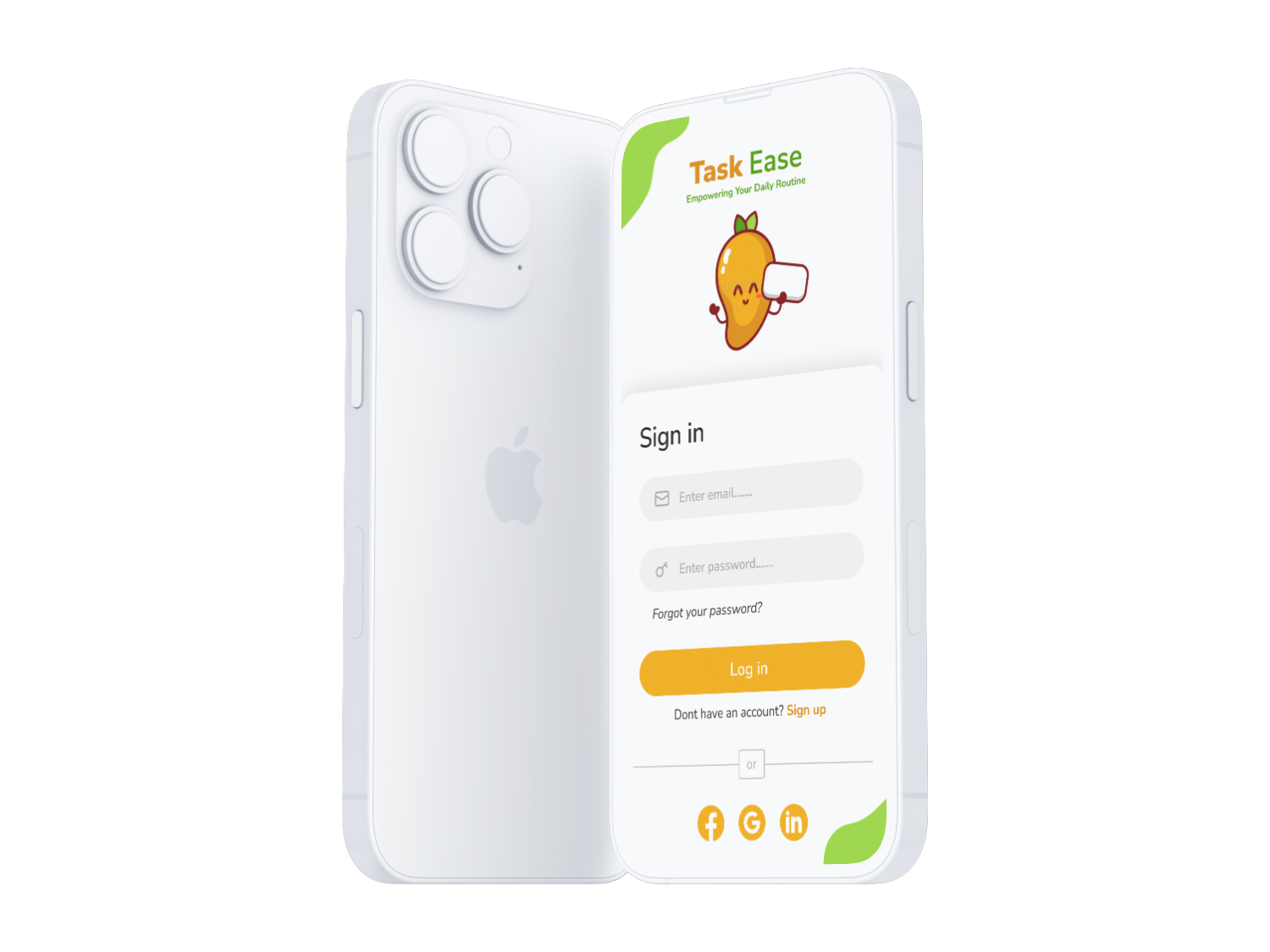
After having created the graphic design & style guide, the final prototype was created. During the creation additional considerations for placement and coloring of elements were taken into account. Additionally the prototype was given interactive elements using Figma.
Key app features
Allow users to plan and organize chores.
Allow users to break down tasks and/or split with other household members to increase time efficiency and make tasks appear less overwhelming.
Dual motivation system with physical custom rewards and a social ranking that is flexible for both single households and families.
Summative testing
In order to do a final evaluation of the interactive prototype and its endpoint performance, user tests were carried out with 5 users. Prior to the tests a set of benchmark goals were defined to evaluate the current status. Below are some of the key test goals that were studied as well as the test outcome of each goal. Overall the test was successful meeting all the predefined goals.
Key test goals
100 % task completion rate.
80 % of the participants should perceive the application as easy to use.
80% of the participants should express interest in using the application.
Test outcome
100% of the participants were able to complete the tasks.
100 % of the participants perceived the application as easy to use.
80% of the participants expressed interest in using the application.
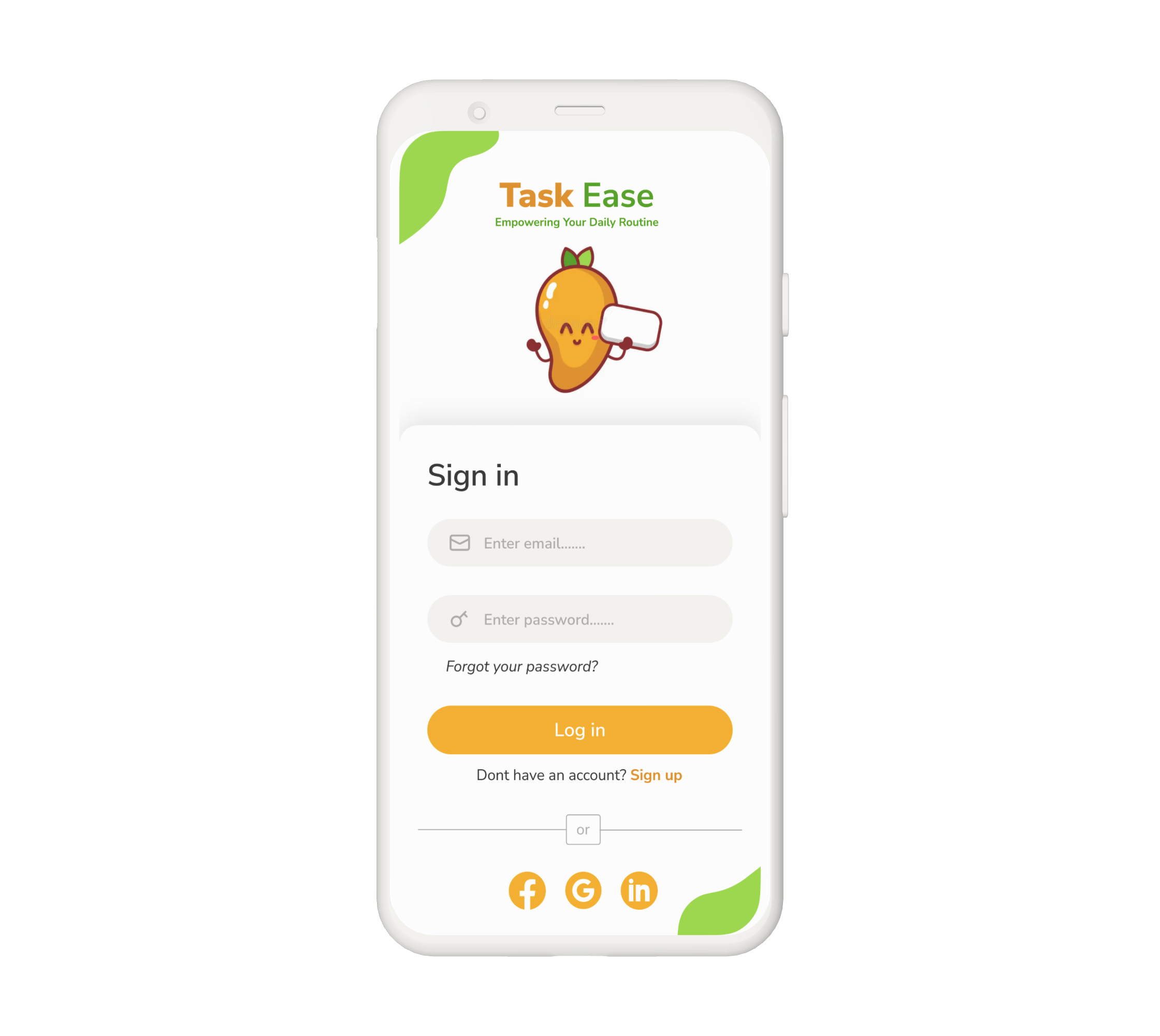
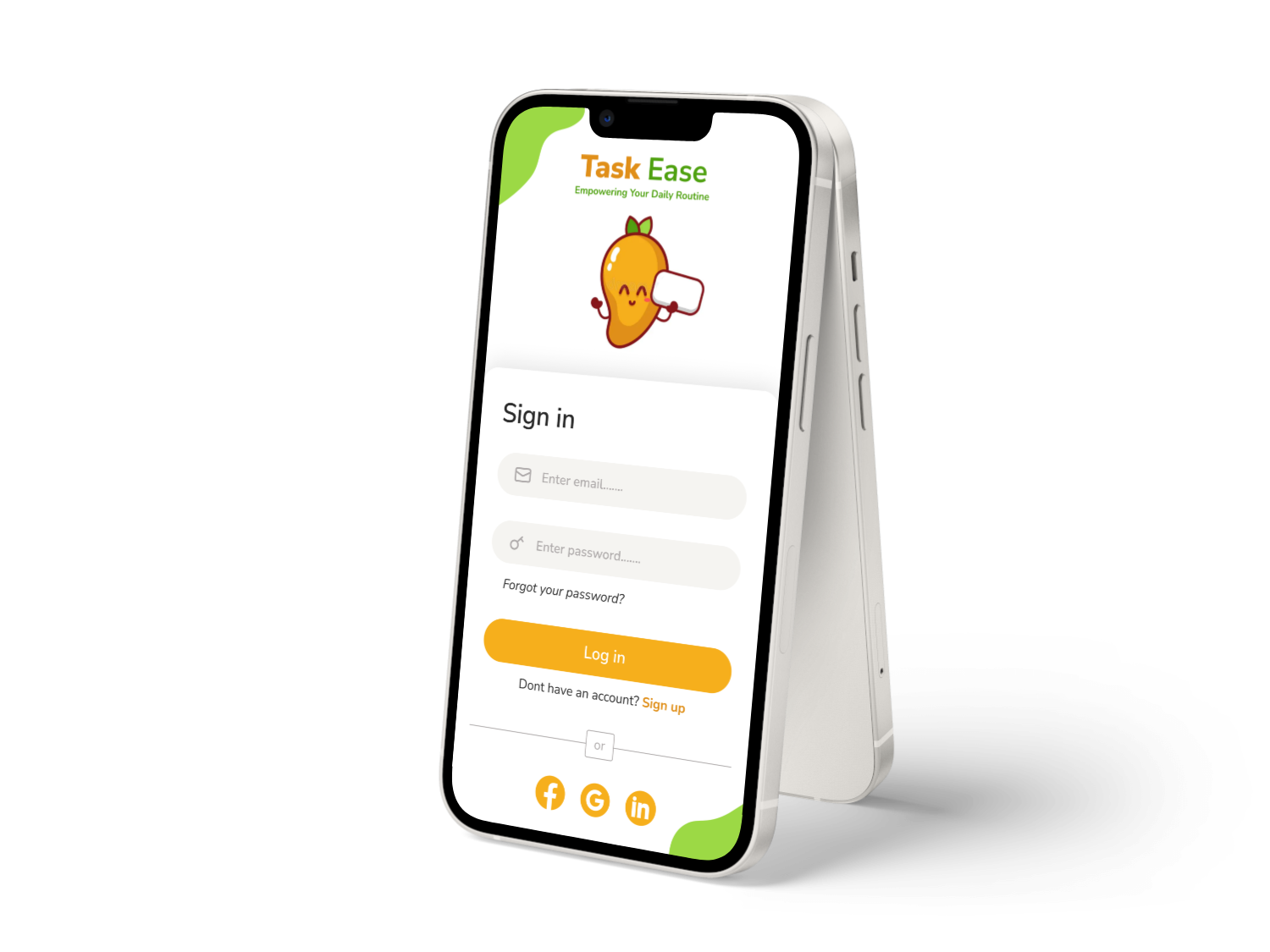
Sign in page
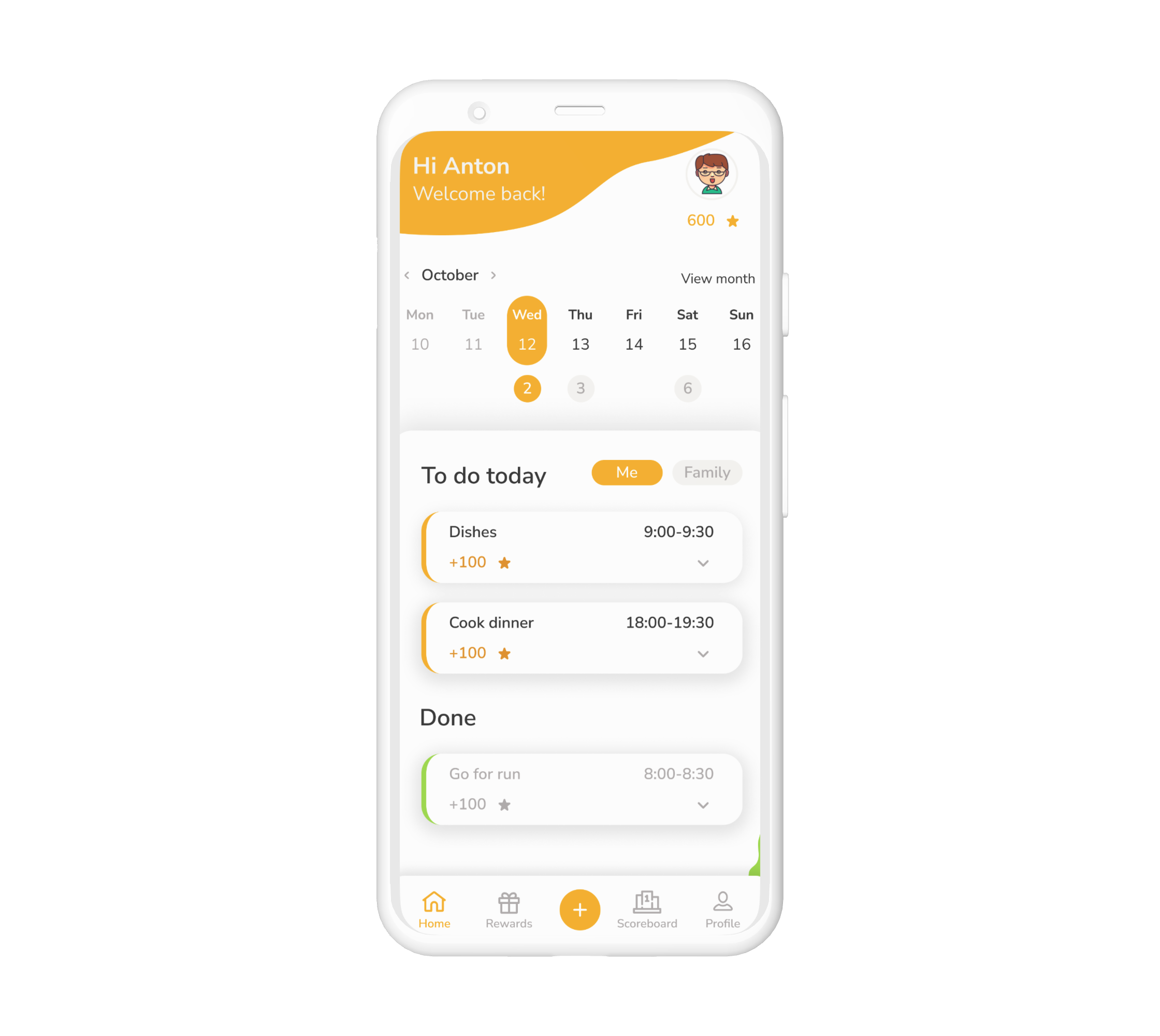
Schedule and task overview

Personal and shared custom rewards
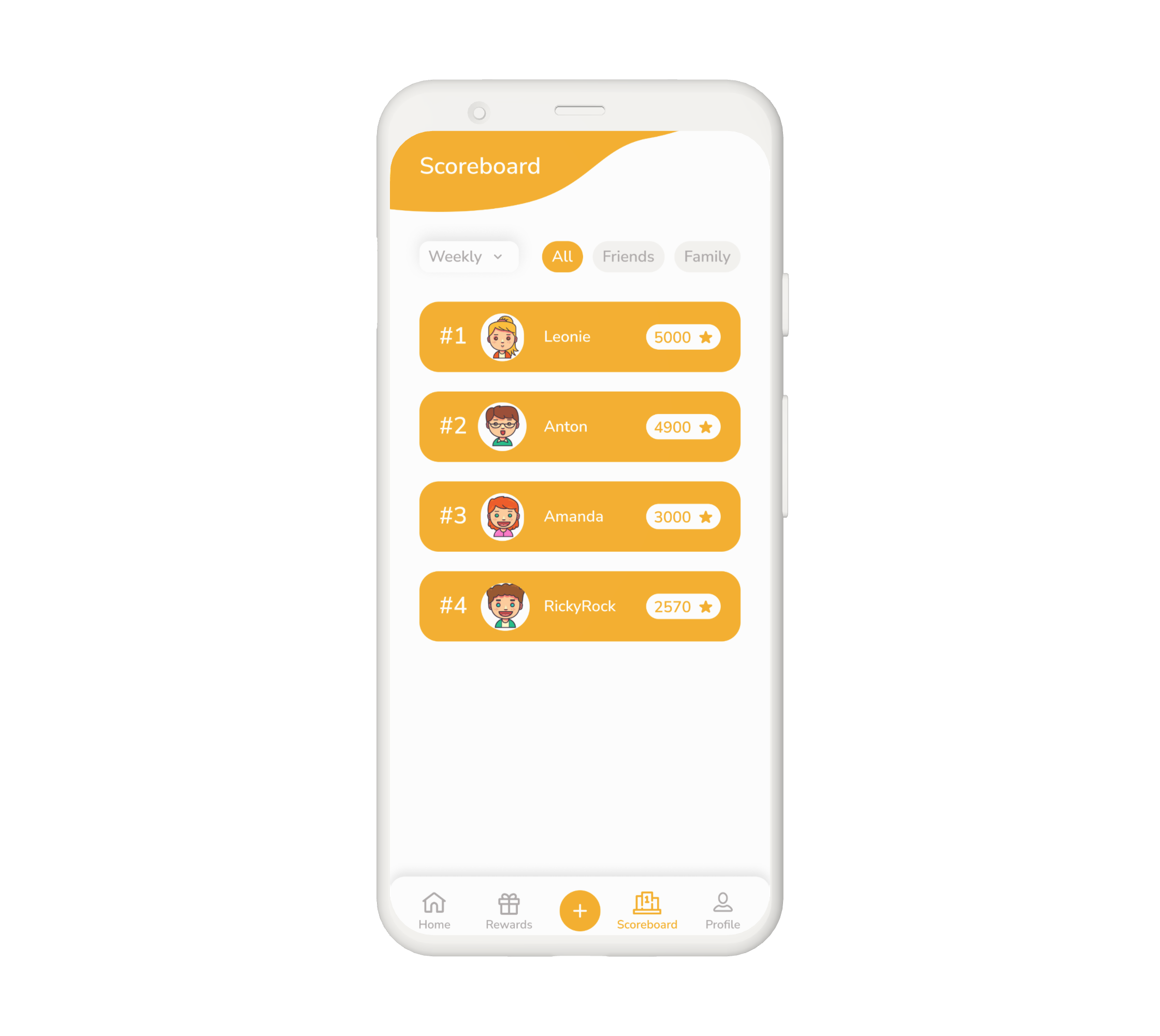
Score board for family and friends
More Projects

Understanding students mental models to identify opportunities for better information retrieval in ChatGPT.
UX Research

From project concept to live product: conducting UX research, prototyping in Figma, and designing for hundreds of users.